Wonderia Creature Transformation
Morph timing for combat, traversal, and puzzle-dungeon utility
Wonderia Transformation Guide — Creature Morphs
Creature transformation is one of Wonderia’s signature systems: you are not only a traveler with tools—you can morph into alien forms that change how fights and traversal play. This guide explains how to think about morphs in Early Access, when to swap forms, and how transformation pairs with weapons, dungeons, and bosses. It assumes you already stabilized Food via survival and understand the camp loop from getting started.
Transformation is not a Roblox emote wheel and not a code unlock. You earn and learn forms through play on Steam Early Access builds.
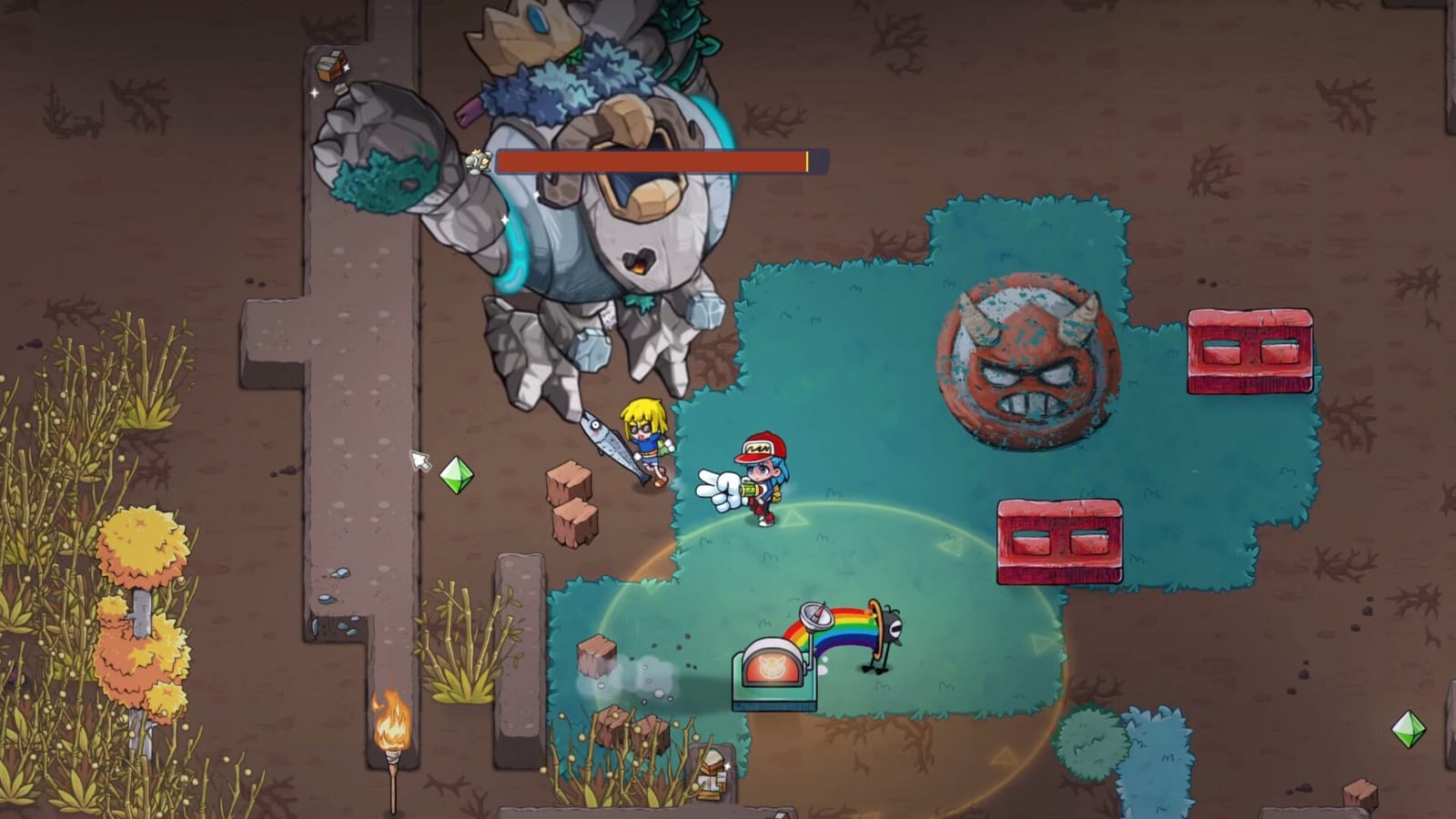
What transformation is for
Morphs solve problems your humanoid kit struggles with:
- Engage angles — some forms close gaps; others keep safer ranges.
- Utility movement — awkward terrain, temple shortcuts, or retreat paths.
- Fight identity — Wonderia combat is style-flexible: hammers, rockets, stealthy approaches, and morph pressure can all be valid.
- Co-op roles — one player morphs for disruption while another holds ranged lines.
Think of transformation as a loadout layer above equipment. Gear still matters; morphs change how that gear gets to matter.
Learning the morph habit early
New players often save transformation for “later.” That wastes the system. As soon as a form is available, test it on low-stakes forage routes:
- Fight a normal pack in humanoid form.
- Reset, morph, repeat the pack.
- Note whether you spent less Food, took less damage, or cleared faster.
- Write that form into your personal checklist in the tools checklist.
Short experiments beat theory. Wonderia’s manga presentation makes morphs look like story flavor; mechanically they are combat verbs.
Combat frameworks: melee, ranged, morph
A clean early framework:
- Melee humanoid for simple trash when you are confident.
- Ranged humanoid for chip and boss add control.
- Morph when the pack composition or arena geometry punishes your default stance.
Bosses like Stonefeather punish greedy patterns—see Stonefeather. Practice morph swaps on elite trash before the boss so muscle memory exists under pressure. For weapon priorities while you learn, skim the tier list and early-game tier list.
Dungeons and traversal morphs
Puzzle temples mix switches, combat rooms, and pathing tricks. Transformation shines when a form makes a ledge, gap, or escape safer. Before a temple run:
- Eat a real meal (farming / survival).
- Bring Bandages.
- Decide which form is your “puzzle utility” and which is your “combat panic button.”
- Read dungeons for extract discipline.
Do not morph-spam so hard you forget the puzzle. Forms are tools; switches still need brains.
Morphs on resource routes
Copper sessions with the Hand-crank Drill are slow. Predators do not care that you are busy cranking. A mobility or defense morph can be the difference between keeping ore and dropping it on the road. Plan morph usage on the walk to nodes described in copper. Vehicles later reduce some transit risk (vehicles), but morphs remain useful in tight spaces vehicles cannot enter.
Co-op transformation etiquette
In up to eight-player lobbies, too many morphs can make fights unreadable. Call roles:
- One disruptor morph
- One peel/support humanoid
- Ranged anchors
Share discoveries: if a form trivializes a temple room, tell the lobby instead of racing loot alone. Hosts should keep multiplayer tips in mind so joiners spawn with kits before morph tutorials begin.
Building a personal morph roster
As you unlock forms, tag each one in your notes:
- Primary combat morph
- Escape morph
- Dungeon traversal morph
- Situational / meme morph (fun, not foundation)
Upgrade the humanoid loadout in parallel through crafting and base stations. Transformation does not replace food, copper, or gear gates—it softens them.
Common mistakes
- Treating morphs as cosmetic only.
- First-time morphing during Stonefeather.
- Entering a temple with empty Food because “the morph will save me.”
- Never comparing clear times between forms.
- Ignoring biome context—some regions punish the wrong body plan; check biomes.
How transformation fits the wider Wonderia loop
A healthy session might look like: cook at camp → morph scout a landmark → humanoid mine or fish → temple with utility morph → dump loot → review gear on the items hub → plan tomorrow’s copper or boss. Keep the guides hub bookmarked when you need the next system deep dive. Watch updates after patches that retune morph durability or unlock pacing, and skim review if you are deciding whether the morph fantasy alone justifies EA purchase for your group.
Mastering Wonderia transformation means knowing which problem you are solving in the next sixty seconds. Pick the form that solves that problem, then swap back before the next problem begins.
Frequently Asked Questions
Quick answers to the most common Wonderia questions.
What is creature transformation in Wonderia?
It is a morph system that lets you take alien creature forms for combat and utility. Forms change how you engage fights and traverse awkward spaces.
Should beginners use morphs in Wonderia?
Yes. Test new forms on low-stakes trash packs as soon as you unlock them so you have muscle memory before bosses and temples.
Do morphs replace weapons and equipment?
No. Transformation is a layer on top of your gear. Keep crafting and equipment upgrades online while you expand your morph roster.
Are morphs useful in Wonderia dungeons?
Often yes for traversal and emergency combat. Still prep Food and learn puzzle patterns; morphs do not auto-solve temples.
Can co-op teams coordinate morphs?
They should. Assign disruptor versus anchor roles so eight morphing players do not turn boss arenas into chaos.